Lessons Learnt from Investing in 2016

Having recently read a report from the CEO of PSG Asset Management, Anet Ahern, here are a few key pointers that our top minds in the investment sector will be carrying with them as we start 2017.

1. The best investment decisions aren’t always the most comfortable

During the first two weeks of 2016, a few of the top investment vehicles were down between 8% and 10% – the worst start to a year ever. All three indices would eventually add to their losses after a modest rebound, hitting their lows for the year in mid-February. The US market then staged the biggest quarterly reversal since 1933… from these lows!

Here in SA, our All Share index had a similar start, and rose by 16% in just four months to reach its high for the year in June. But that’s only part of the story…

It was during those panic-stricken weeks that shares such as Imperial, Glencore, Anglos and FirstRand were on sale at levels which
subsequently provided returns of between 30% and 300%. What was needed to make the right decision to invest in these shares at that point?

  • A calm, unemotional, measured approach.
  • Deep knowledge of the companies in question.
  • A solid assessment of their long term value.
  • Cash to invest, whether in a separate income portfolio or as part of the asset allocation of a multi asset or flexible fund.

2. Shares in good companies don’t need a good economy to show excellent returns

It would be fair to say that economic conditions have not been ideal for the likes of Imperial. Yet, an investment in this company at the low in January 2016 has produced a return of around 70% to the end of November 2016. This is because the market is often short-term oriented and frequently extrapolates current events and conditions into the future, creating extreme under- or overvaluation.

In other words, investors often fail to take a long-term view, and they overreact to short-term pressures. This creates opportunities, as is evident with Imperial.

3. Our institutions are holding up so far

By the skin of our teeth, some will say. But the fact is that the large South African institutions which served to help us retain credibility in the eyes of the world mostly worked for us in SA when it really counted.

We had a peaceful and fair election and our finance minister managed to hang on to his independence.

The Reserve Bank delivered on their inflation targeting mandate. While there are many instances of poor delivery and corruption, we learnt that our key institutions stood the test of 2016, which was no mean feat.

4. All countries have their issues, and major events will happen

Italy’s referendum led to the resignation of their prime minister. Brits voted in favour of leaving the EU, and Trump amused, horrified and surprised the world. We saw a failed military coup in Turkey. Oil hit a 12-year low, and gold had its best quarter in 30 years. Japanese bonds traded at a negative interest rate for the first time ever while Apple sales fell for the first time in almost 13 years. While investors around the world try to get their mind around these as they happen, we try to focus on seeing the bigger picture and taking a longer-term perspective, while doing most of the work from the bottom-up.

As always, hindsight can serve to make us forget how hard it was at the time to stay calm and make the right decision.

This is only possible if you have a solid framework to start with, be it around the way you research and assess shares, or the way your long-term investment strategy is crafted.


Slow Down. Appreciate.

If you’re anything like me, you may find that after you’ve had a holiday… you feel like you need a holiday! Our pace of life is currently so fast that even when we’re on holiday, or trying to take things a little slower, we don’t actually get to relax or rest as much as we would like.

As a result, we find ourselves making decisions and choosing to speed life up so that we can simply have ‘more time’. But speeding up our lives just seems to make room for more things to soak up our limited time and energy.

Here are two things that I am going to be working on:

SLOW DOWN

Deliberately tell yourself, repeatedly through the day “I am not in a rush”. Sure – you may actually be rushing somewhere… but let your mind relax and regain control, even if you are physically rushing around.

Not feeling rushed will place you in a mental place from where you will be able to consider more choices and ultimately; make better decisions,

APPRECIATE

When you are purposeful about slowing down the pace of your thoughts and your approach, you will find the space to appreciate what surrounds you. From your relationships to your possessions – you may even find yourself moving from a sense of feeling like you don’t have enough to a confidence that you already have all that you need and that anything else new is a bonus!

If you have hit the ground running, and are already feeling like you may lose your balance, try to restore that balance by slowing down and appreciating.

If you want to slow down with a chilled cup of tea or coffee – just drop me an email and let’s catch up!

Rest. Relax. It’s all in the mind.

Experts say that you need at least 14 days of leave from work in order to begin to properly relax. But often that is a luxury few of us get to enjoy. I’m not referring to leave where we still have access to our emails and check them once a day or have a phone call or two from the office here and there.

I mean a complete break, with zero work contact.

This means that many of us need to find ways to relax ‘faster’, and hope that we can rest in the time that we have off. You don’t have to pay for a holiday at the coast, or go to luxury spas.

You can focus on getting your mind into a restful, relaxed space so that you can recharge.

READ A NEW BOOK Our digital environments lead us to experiencing most of our reading on a backlit screen. This is not restful, and is not relaxing. If you want to read for leisure, a paper book, that has the smell and feel of your old school library, is a sure way to start resetting your emotional, cognitive and spiritual center.

PAINT/GARDEN/BUILD Creating something out of the ordinary is a superb way to bring yourself back to your own self-energising state by making something that never existed before. It could be a painting of a landscape from your memory, or maybe you create something new in your garden by planting some new shrubs and flowers and decorating with some natural wood or rusted iron sculptures.

Maybe you can start a project with your kids where you build a dolls house, or a model plane or a cardboard fort that fills the whole garden.

LISTEN TO MUSIC WITH YOUR EYES CLOSED
When last were you able to listen to some music without any
interruptions? I don’t mean when you are driving in the car, or working at your computer, or have it on in the background whilst cooking.

I mean; lying on your back, your eyes closed, and the music playing.

Whether it’s old music that brings memories flooding back, or brand new music that creates new memories, if you are able to stick those headphones in, take 30 minutes to yourself where you lie absolutely still and listen, you will find your brain will start to disconnect from work and explore new thoughts that will leave you inspired and feeling rested!

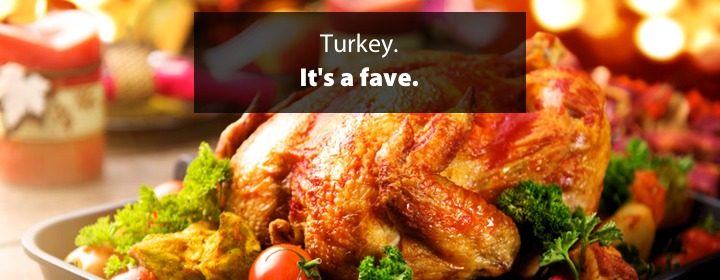
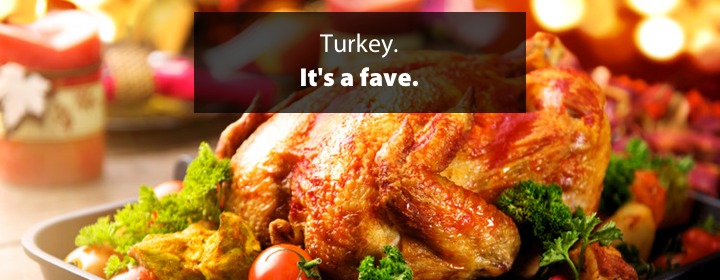
Gobble. Gobble.

The festive season is so festive because we do too much, spend too much… and eat too much! We try to fit in as many social events as possible, because we have so many people that we want to see; and we spend so much money because we want people to spoil our family, friends and ourselves!

But we also often land up eating lots of foods that are richer and a little more special than our normal daily diet. One such food is Turkey. Whilst you may enjoy the odd shaved Turkey sandwich, cooking and eating an entire Turkey is mostly reserved for that meal where the extended family is seated around the table and are all digging into the celebratory meal.

If you are considering Turkey this year – here are some facts that few people know about this game hen.

The pros

  • Turkey is a rich source of protein.
  • Skinless turkey is low in fat. White meat is lower in kilojoules and has less fat than the dark meat. A typical turkey consists of 70% white meat and 30% dark meat.
  • Turkey meat is a source of iron, zinc, potassium and phosphorus.
  • It is also a source of vitamin B6 and niacin, which are both essential for the body’s energy production.

The cons

  • Turkey can be high in sodium.
  • Turkey skin is high in fat.

Turkey tips

  • If you can, buy organic. Turkeys raised organically will have been treated humanely and are less likely to contain pesticides and herbicides.
  • A turkey roast is cooked properly when it is piping hot all the way through.
  • Turkey dries out quickly, so don’t overcook it.
  • If marinating turkey meat, put it in the fridge straight after you’ve finished, as it is highly sensitive to heat.
  • Store turkey separate from any gravy, stuffing or raw food.
  • Refrigerated turkey will keep for about one or two days. If it is already cooked, it will keep for about four days.

Before you indulge in a rich meal this festive season, do yourself a favour and have a glass of water about 10 minutes before you eat. It will help you eat less and reduce your chances of over-indulging on richer foods that may have you wishing your eye hadn’t been bigger than your stomach!

Employee Appreciation Tips

At the end of the year, there is often a heightened expectation to show appreciation to one’s staff. Whether they help you out around the house or run your company, most of us have people who work for us and feel a desire to show them
appreciation!

Whilst paying out bonuses is a common way to do this, not all employers can afford to pay out bonuses and may feel stumped as to how to motivate their team and show them the love they so very much want to.

Here are some tried and tested ways to appreciate your staff without needing to necessarily up your overdraft.

SURPRISE BREAKFAST Without warning, when they arrive at work – take your team out for the morning to have a lavish breakfast on your dime. Depending on your budget, you could choose anything from the local Woolies cafe through to a wine estate or fine dining establishment nearby.

Breakfasts are a great way to treat your staff but they are also a space where you can have some quality personal conversations and find out how their families are doing – and talk about non-work topics that you never really get to do in the rush of the day.

EXTRA TIME OFF As you near the last days of work, you can let your staff leave at lunch time. This way, you are still able to keep your doors open until the most opportune moment, but your staff are able to start entering the holiday spirit, maybe run some errands before their leave, so that they can rest and relax during their time off and return to work energised and creatively ready to tackle the new year!

Giving them half-days will most likely have very little impact on your bottom line, but it will have a big impact on your team in terms of feeling appreciated!

ONLINE APPRECIATION Take a look through some online flower/gift delivery websites, and have some surprise gifts delivered to the office. The novelty of having something delivered at work, that is for you, from your boss – has huge appreciation value!

Whatever you do, let your team know that they matter… and that you care!

Road Trip Bliss

For most South Africans, December will include a road-trip of sorts. Whether it’s an hour or two up the coast, or 15 hours across the middle… we live in a country that is too beautiful not to explore in our time off.

So how can you use your hours on the road to your advantage?

Watch your posture Did you know that sitting in a car naturally makes you moody? Joint research from Harvard and Columbia found that low-power poses, like sitting down with your arms crossed, lowers levels of testosterone, reduces your feeling of power, and increases your levels of the stress hormone cortisol compared to high-power poses like standing.

This is why it’s also good to roll your shoulders, sit up straight, and switch drivers (or stretch your legs) every couple of hours. You will be less cranky and way more conversational!

Hold hands (if driving with your partner…)
Even though you’re confined to your own seat, holding hands with your partner, or holding their leg whilst they drive, helps strengthen your bond, and releases neurochemicals that create a relaxed atmosphere. Touch can help break any barrier of tension or confusion, especially when you have to deal with stop-goes or changes enroute.

Be willing to take detours Beyond talking, sharing new experiences can bring you closer together. Luckily, road trips are ripe for novelty: Take the scenic route or stop at cheesy roadside attractions that you would normally include in your holiday. Not only will this keep the trip fun and exciting, but it’ll give you new things to talk about.

Disconnect for the ride We’ve become conditioned to turn to our phone when we’re bored, but one of the biggest blocks in conversation is electronics. Researchers speculate the gadget reminds us of the wider network we could be connecting with, keeping us from focusing on the people right next to us. Unless your kids are watching movies or playing games on devices in the back, try to keep everyone engaged with the journey and other travellers in the car. It also helps to keep the driver alert when people are engaging them in conversation.

Listen to new music New music stimulates the creative impulses in the brain, excites us and keeps us awake as our brain assimilates all of the new
information. It’s also a great opportunity to listen to the full album that you’ve been wanting to listen to, but can’t find the time to appreciate in full!

Have savoury and sweet snacks, and plenty of water
Make sure you have a variety of snacks as your body will move from needing sugars to needing salts and all the while needing to stay hydrated. These don’t only keep your appetite sated, but they help you stay awake and alert!

Also – if you get stuck in a traffic jam, your next food pitstop may turn from 1 hour away to several hours away. Have extra refreshments on hand – hungry, dehydrated travellers are cranky and difficult!

Lastly – never be in a rush. Even if you are running late, remind yourself to take it slow and carefully. You will get there eventually, and then a few hours won’t matter any more.

Christmas Gifts… Sorted

Every year it seems like Christmas gets closer and closer, and December seems to disappear without warning. Before we know it, it’s a few days before the big day and our gift cache is looking too meager for our liking.

So here is my solution: buy online through Takealot!

But not at the last minute… start browsing today! Every day, they post their daily deals that have an average of around 40% discount. But if you buy several gifts at once, you can score free delivery and make several other key savings too…

USE THE WISH LIST

If you’re not the impulsive type, and don’t want to buy on the spot – you can still save and make some excellent gift choices. Take a few days to browse, starting today, and then add the ideas you have to your online Takealot wish list. This is a super way to compare gift options and then increase your cart to avoid paying for delivery.

After you’ve taken the next few days to build up your wish list, check back in on Friday and check out your final choices. All things being equal, your delivery will arrive early the following week – without you having to go anywhere!

BUY FOR MORE THAN R250

If your cart total is higher than two-hundred and fifty rand, you will save yourself R65 or more on delivery. But – you will also save on not having to drive to the shops, spending an hour or more in the different stores and then having to pay for parking!

If you’re buying for several people, you’ll easily cap this amount and save yourself money and the time and stress of December fever.

CHECK DAILY DEALS… DAILY

Here’s the link: http://www.takealot.com/deals

Visit every day if you are a prolific bargain hunter! From coffee makers, cast iron cookware and binoculars, to fashion, sports, tech and toys – this page will certainly not disappoint. But remember, you have to buy on the day and ensure you spend over R250.

There are several other reputable online shopping options for South Africans, but I’ve found Takealot to have the quickest delivery time, which – in December – is crucial!

Characteristics of a Canny Investor – Part 1

By making the most of your income and implementing some savvy financial thinking even an ordinary salary earner can grow an impressive portfolio of assets. Investment success is primarily due to behaviour – not luck. As you will probably know, one of the mature investment perspectives reminds us that it’s not so much about timing the markets as much as it’s about time in the markets.

Let’s look at some of the behavioural traits of a shrewd investor:

They don’t worry about keeping up appearances
Wealth is what is left after you have expended your income. There is no point in seeing yourself as a smart investor if you don’t leave yourself anything to invest with at the end of every month. If you worry what people will think about the car you drive or the house you live in perhaps you need to rethink your priorities.

They clearly define their investment objectives
Investment is not a one-trick pony; investments need to be sorted according to objective and managed accordingly. We all have different goals with different time horizons, but smart investors know that different timelines mean different asset allocations and tax implications.

They know the difference between a trend and a classic
We are all driven by either fear or greed to some proportion. If you are chasing better returns on a hot tip or folding out of fearsome unknowns, and find yourself making numerous fund switches in the year, you may need to take a step back and decide which of these factors are driving your investment decisions.

Is your portfolio diverse enough to ward off your fears and focused enough to reach your investment objectives on time? If not, let’s take a look and get you on the right track.

<source>

Don’t go crackers

For most of us, November started off with a bang! But unfortunately remembering the redemption from explosive chaos does little to help us manage our time, stress, skills and finances over November and December. It’s like we just go from one event to the next, our limited weekends disappearing under the demands of a myriad of social events – all costing us ‘a little here and a little there’.

Before we know it, we look at our bank balance and somehow our budget figures seem to be quite different to the reality – this can drive us crackers!

Here are some financial planning tips for the next 54 days…

  1. Make a calendar with budgets: It’s easy to assume you’ll have enough money when you’re only spending a few hundred here, and a few hundred there. But when they all add up, you’ll find that what you thought would be a couple of hundred bucks, turns into a grand or two.
    Itemise all the events you have to attend and put in an estimate cost for each one. It’s okay if you go over, this is simply to help you understand where your money will be going in the next 7 weeks so that you don’t have an unhappy surprise!
  2. Keep & capture your slips: Keeping your slips will help you check how accurate your budget calendar has been and will enable you to make decisions about the next event as to how much you should or shouldn’t curtail your spending. Knowing where your money is going empowers you to not spin into a panic when it’s suddenly less than you thought. Also – if you have extra left over, you’re able to enjoy some more guilt-free luxuries over this festive period!
  3. Use cash instead of cards: If you budget R300 to spend at an event, and you have it in your pocket in cash, you’re far less likely to overspend. But if you simply swipe your card… it’s way easier to add on and extra R50 without even ‘feeling’ it.

Part of having me as your financial advisor, is that I’m here to help you plan and manage how you earn, save and spend your financial resources. If you feel like you’re going crackers… just drop me an email and let’s hook up!

When it comes to the rand – local is lekker

Have you ever wondered what causes the rise and drop in commodity prices? While there are several factors at play, the most significant cause is the fluctuating value of a country’s currency.

We’ve seen this happen with our own rand in the past few months as our currency has tumbled and gained momentary reprieves, so has the price of certain commodities.

As things currently stand our currency is doing better than it was in January of this year, but with the ominous threat of ‘junk status’ around the corner we can’t be sure what the future holds – and the recent political instability poses some unknowns. However… if the political decisions move in a constructive democratic direction, our Rand will strengthen.

So what causes a currency’s value to fluctuate?

There are quite a few factors at play. These are just a few of them:

  • Trade balance is one of the main factors. The trade balance helps to understand the strength of a country’s economy in relation to other countries. This is based on the calculation of a country’s exports minus its imports. When a country’s imports exceed its exports, the subsequent negative number is called a trade deficit. When the opposite happens, a country has a trade surplus.
  • Another factor is the political climate of a country. Political stability, especially in emerging economies is very important. But not just in emerging economies – look at what happened in the UK in the wake of Brexit. A political decision to leave the EU ended up having huge ramifications on the pound.
  • Inflation also plays a part. If your inflation rate is very high, then the value of your currency is going to be eroded. South Africa’s inflation rate is relatively high compared to the US.

Countries like South Africa operate a flexible exchange rate system, which means the value of the rand is determined by the market forces of supply and demand. In some other countries, like the United Arab Emirates, they have fixed exchange rates. Such countries, mainly oil-producing countries and ones with small populations, have very stable and predictable economies.

The strength or weakness of a currency always reflects on the prices of goods.

If commodities are imported for manufacturing processes, then the cost of finished products will be significantly higher in a country with a weaker currency. However, if the country is producing more raw materials and goods locally, there’s a better chance of keeping prices stable and inflation low.

The moral of the story from this blog…? Local is lekker!

<source>